

Keep exploring
If you're planning a trip to Alghero and getting around by car, there's probably one question on your mind before you even arrive in Sardinia: where can you park in Alghero? The answer really depends on what you want to do. Finding somewhere to leave the car for a few ...
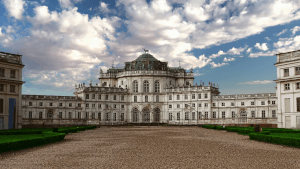
Do you only have one day to visit Turin? You can get to know its main sights if you organise your route well and focus on the most important highlights. In this guide you will find what to see in Turin in one day, with a practical route through Piazza ...

Some local ingredients are a staple of regional cooking, while others become a symbol of the place itself. The Alba white truffle easily fits into both categories. Every autumn, travellers head to Alba and the surrounding villages of the Langhe region. They come for the unmistakable aroma and flavour of ...
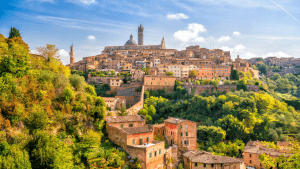
Driving into Siena is fantastic… right up until you have to park. Between narrow streets, restricted traffic zones, and car parks that quickly get expensive if you're staying for a few hours, finding a spot can feel like a nightmare. But don't worry: there are still ways to park for ...
If your flight lands at Milan Bergamo-Orio al Serio Airport and your final destination is Milan, you are probably wondering about the best way to reach the city centre. Although it is known as Milan Bergamo Airport, it is actually located right next to Bergamo, roughly 50 kilometres from Milan. ...

Visiting Venice is all about wandering along canals, crossing bridges without quite knowing where they lead, and stumbling upon charming squares that were never on your itinerary. But there is another classic experience that every trip needs: stopping for a proper Italian gelato. And no, not all ice cream in ...
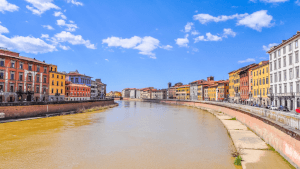
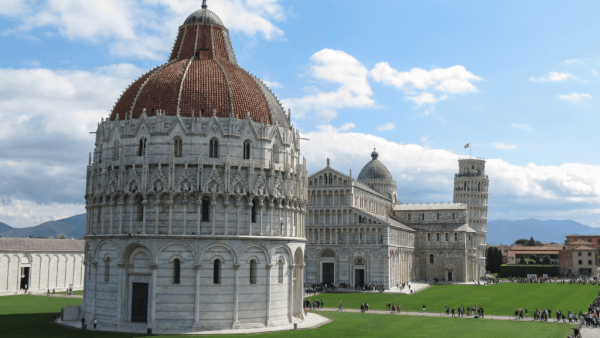
If you're planning a trip to Pisa, you probably know it’s a great city to explore in a single day, you can easily see the Piazza dei Miracoli, the Leaning Tower, and the main sights in a few hours. If you're currently putting your itinerary together, check out our blog ...
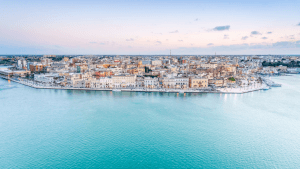
Situated on the Adriatic coast in the Italian region of Puglia, Brindisi is a city shaped by its history, its port, and its deep connection to the Mediterranean. Although it is sometimes slightly overshadowed by better-known destinations in the region, such as Bari, Lecce, Ostuni, it is well worth including ...
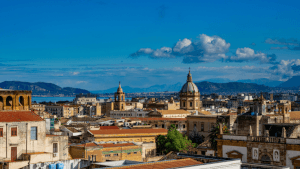
With over 2,700 years of history, Palermo is a city full of character, packed with lively streets, traditional open-air markets, churches, UNESCO World Heritage palaces, and some of the island's best beaches just minutes from the city centre. If you are planning a trip and wondering what to see in ...
When planning a trip, there are two absolute essentials: knowing which sights to visit and, of course, discovering the local food. We all want to know where to go for lunch, where to have dinner, and which local specialities we simply can't miss. Italy makes this very easy. Its incredible ...
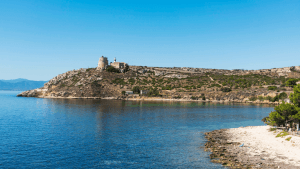
If there’s one thing that surprises you the moment you arrive in Cagliari, it’s how quickly you can swap the bustle of the city for the pure relaxation of its crystal-clear beaches. The Sardinian capital has that special charm where, in a matter of minutes, you can leave the history ...
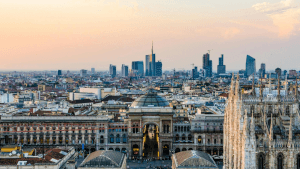
Only have one day to explore Milan? Don't worry: even though the city has plenty to offer, a well-planned 24 hours is more than enough to see its most famous spots. Milan is known as the capital of fashion, design, and business, but it’s also home to a rich history ...